

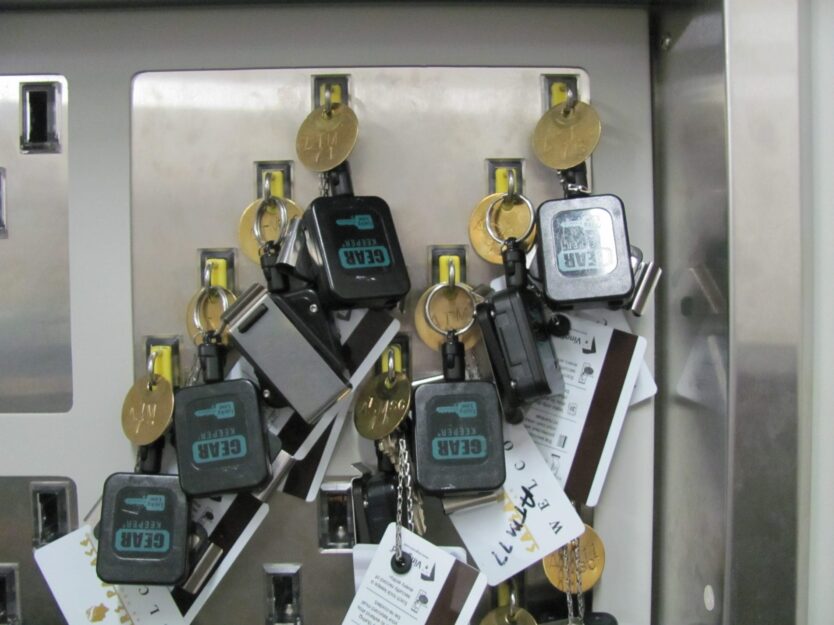
When it comes to security, many organizations underestimate the importance of properly managing physical keys. Yet lost, stolen, or untracked keys can lead to major breaches, expensive rekeying, and avoidable risks. A physical key management system provides a structured, secure way to control access, track usage, and ensure accountability for every key in your facility. Instead of relying on outdated manual logs or shared key rings, businesses can implement an advanced system designed to improve efficiency and safeguard critical assets.
What Is a Physical Key Management System?
A physical key management system is a secure solution designed to store, track, and control keys for buildings, vehicles, equipment, or restricted areas. Modern systems go beyond simple storage cabinets. They use electronic authentication, tamper-proof compartments, and detailed reporting to log every key transaction in real time.
With this approach, organizations can ensure that only authorized personnel have access to specific keys and that every checkout and return is tracked automatically. This eliminates the guesswork and vulnerability of handwritten sign-out sheets, which can be incomplete or manipulated.
The Risks of Manual Key Control
Organizations that continue using manual key management often face serious challenges:
- Lost or stolen keys: Replacing lost keys or rekeying entire facilities is costly and time-consuming.
- No accountability: Without accurate records, it’s impossible to know who last had a missing key.
- Security breaches: Unauthorized use of keys can lead to theft, vandalism, or liability issues.
- Inefficiency: Staff waste valuable time searching for keys or chasing down coworkers who forgot to return them.
Each of these risks adds up, creating financial and operational strain that could be avoided with a secure system in place.
Key Features of a Physical Key Management System
A well-designed physical key management system offers benefits that go beyond simple storage. Some key features include:
- Secure storage: Keys are housed in steel compartments or electronic lockers that can’t be tampered with.
- Controlled access: Only verified users—through PIN codes, proximity cards, or biometrics—can retrieve keys.
- Automated tracking: Every key movement is logged with user ID, date, and time stamps.
- Customizable permissions: Administrators can assign who can access specific keys, ensuring tight control.
- Real-time alerts: Notifications can be sent when keys are overdue or accessed outside of approved hours.
- Scalability: Systems can expand to include hundreds or thousands of keys, plus optional storage lockers for items like laptops, radios, or controlled medications.
These features ensure not just better security, but also streamlined operations and compliance with industry standards.
Industries That Benefit From Physical Key Management
The value of a physical key management system applies across industries:
- Education: Schools and universities manage hundreds of keys for classrooms, labs, offices, and vehicles. Secure systems prevent lost keys and ensure accountability for staff and contractors.
- Healthcare: Hospitals require strict access to areas like pharmacies, labs, and patient records. Key control helps maintain compliance and protect sensitive environments.
- Corrections: Jails and prisons must ensure accountability for every cell key, reducing risks during shift changes and maintaining strict chain-of-custody protocols.
- Corporate facilities: Businesses safeguard office access, server rooms, and equipment with monitored systems that reduce liability.
- Hospitality: Hotels can secure back-of-house operations, maintenance keys, and restricted guest access areas with tracked storage.
No matter the industry, the common goal is security, accountability, and operational efficiency.
The Long-Term Benefits of Smart Key Management
Implementing a physical key management system is more than just an immediate fix—it’s an investment that pays off for years to come. Organizations experience fewer lost keys, reduced rekeying costs, and stronger compliance with internal policies or government regulations. Employees save time by knowing exactly where keys are and who has them. Administrators gain peace of mind with complete visibility into key usage, helping them identify and resolve security concerns before they become incidents.
Over time, this leads to a safer workplace, better resource allocation, and increased trust across teams. The system effectively becomes part of your organization’s security infrastructure, working silently in the background to prevent problems before they happen.
Why Now Is the Time to Upgrade
If your business is still relying on key rings or manual sign-out sheets, you’re exposed to unnecessary risk. Security expectations are evolving, and customers, employees, and stakeholders expect organizations to take responsibility for access control. By upgrading to a physical key management system, you’re not only protecting assets—you’re also strengthening your reputation and operational resilience.
The reality is simple: the cost of implementing a key management system is far less than the financial and reputational damage caused by a lost or misused key. Investing now means avoiding crises later.
Conclusion
In today’s world, security can’t be left to chance. A physical key management system gives organizations the tools they need to secure assets, ensure accountability, and streamline daily operations. Whether you’re managing a school, healthcare facility, correctional institution, or corporate office, the benefits are clear: fewer risks, stronger security, and improved efficiency.
Don’t wait until a lost key or security breach forces you to take action. Take the proactive step toward smarter, safer operations today. Contact us to learn more about how a customized physical key management solution can meet your organization’s needs and give you peace of mind for the future.