

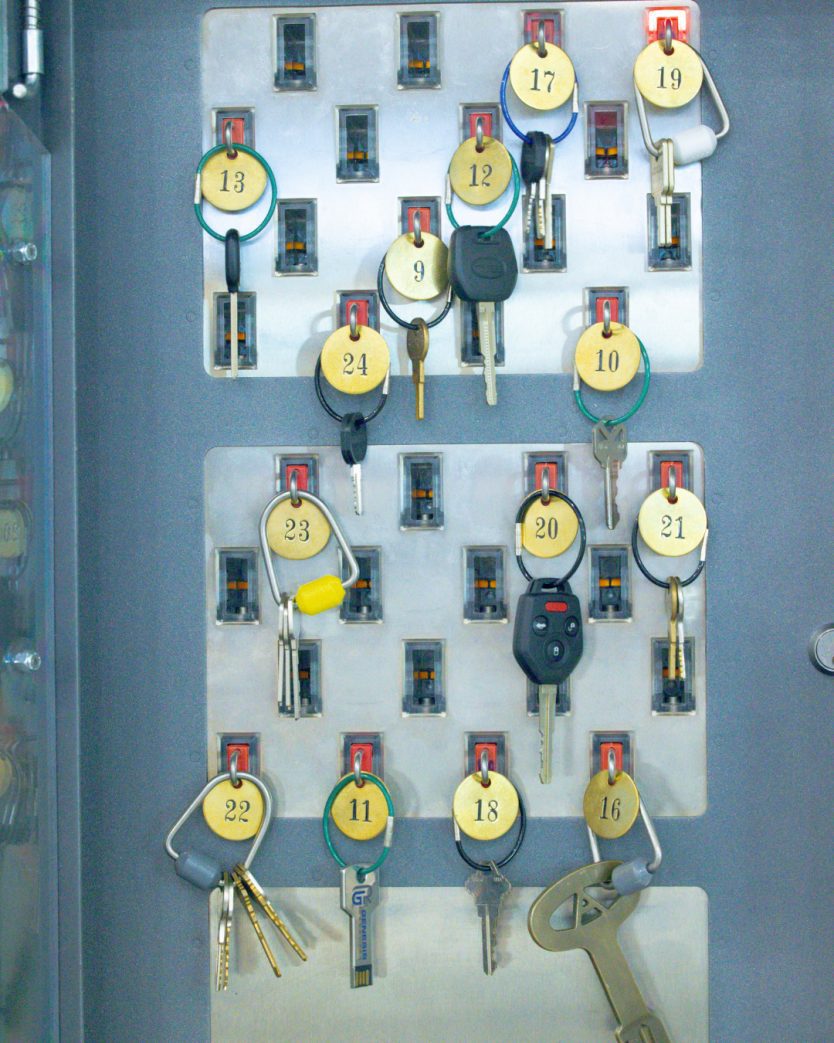
Facility security depends on more than cameras, alarms, and badge readers. Physical keys still control access to critical rooms, equipment, and restricted areas, which makes strong facility key management essential for preventing unauthorized entry and protecting daily operations. When keys are handled manually, lost keys, unclear logs, and lack of accountability create serious vulnerabilities. Modern facility key management provides a structured, automated way to secure keys, track usage, and ensure that only authorized users ever gain access.
Whether managing a corporate campus, school district, government building, hospital, or correctional environment, strong facility key management reduces risk, strengthens compliance, and saves time. Understanding how these systems work—and why they matter—helps organizations build a safer, more efficient security foundation.
1. Why Facility Key Management Matters
Physical keys unlock some of the most sensitive areas in a building, which means a single missing key can compromise an entire facility. Facility key management ensures controlled access to every key, providing structure and visibility that traditional methods lack. When organizations rely on unsecured drawers or outdated sign-out sheets, they increase the risk of unauthorized entry and operational disruption. A modern facility key management system prevents these issues by securing keys in controlled environments and creating predictable, trackable workflows.
2. The Risks of Manual Key Tracking
Many organizations still manage keys with pegboards or paper logs, but these tools make facility key management unreliable. Employees forget to sign keys out, handwriting is ambiguous, and keys are often borrowed informally. When a key disappears, teams must spend hours searching—or pay for expensive rekeying. Manual methods offer no real accountability, which can leave sensitive areas exposed. Switching to electronic facility key management eliminates these weaknesses and replaces guesswork with accurate, automated tracking.
3. Electronic Systems Strengthen Access Control
Electronic key cabinets add structure to facility key management by storing keys in tamper-resistant compartments. Users must verify their identity with a PIN, proximity card, or biometric scan before a key is released. Administrators set permissions for each user and determine which keys they can access. This prevents unauthorized retrieval and ensures that keys never sit unattended or unsecured. For facilities with high turnover or multiple shifts, this level of control makes a major difference in daily safety.
4. Real-Time Tracking Improves Accountability
A major advantage of modern facility key management is the ability to track every key movement automatically. When someone checks out or returns a key, the system logs the user, timestamp, and key ID. If a key is overdue, the system flags it immediately. Administrators always know which employee currently holds any key, eliminating the confusion that comes with shared logbooks. Real-time accountability ensures that no key ever goes unmonitored.
5. Alerts Help Catch Issues Immediately
Facility key management becomes even stronger with automated alerts. Managers receive notifications if keys are removed after hours, overdue, or accessed by someone without proper authorization. These alerts allow facilities to respond quickly to suspicious activity before it escalates into a security breach. The automated reminders also encourage staff to return keys on time, reducing delays and lost productivity.
6. Audit Logs Support Compliance and Security Reviews
Many industries require documented oversight of access control, and facility key management systems provide the detailed records needed for compliance. Audit logs capture every key transaction, making it easy to produce reports during inspections or investigations. For schools, correctional facilities, healthcare systems, and government agencies, this level of documentation helps demonstrate responsible access policies and supports a safer overall environment.
7. Scalable Systems Fit Facilities of Any Size
Facilities grow and evolve, which is why scalable facility key management is so valuable. Organizations can start with a single electronic cabinet and expand with additional modules, lockers, or remote sites as needed. This ensures consistent key control across multiple buildings, departments, or campuses. Whether managing 20 keys or 2,000, a scalable facility key management solution adapts without requiring major infrastructure changes.
8. Cost Savings and Better Efficiency
Poor facility key management often leads to unnecessary expenses such as rekeying, lost time, emergency locksmith visits, and operational delays. Electronic systems drastically reduce these costs by ensuring keys stay secure and accounted for. Staff no longer waste time searching for misplaced keys or sorting through handwritten logs, and administrators gain valuable insight without manual oversight. Over time, the savings from improved organization and reduced liability outweigh the initial investment.
9. A Safer Environment for Everyone
Strong facility key management protects staff, visitors, and assets by keeping sensitive areas locked down and monitored. Only authorized individuals have access to specific keys, reducing the risk of theft, tampering, or unauthorized entry. Facilities can also provide temporary access for contractors or guests with full tracking, ensuring compliance at every level. When keys are secure, the entire facility becomes safer and more efficient.
10. Preparing for Future Security Needs
As security standards evolve, facilities need systems that can grow alongside them. Modern facility key management lays the foundation for long-term protection by integrating with access control systems, cloud platforms, and emerging security technologies. By adopting a forward-thinking approach today, organizations position themselves for stronger security and better operational control tomorrow.
Conclusion
Facility key management is essential for maintaining a secure and efficient environment. By transitioning from manual processes to modern, electronic key control, organizations gain real-time visibility, stronger accountability, and reduced risk. With scalable options and automated oversight, facility key management provides long-term value and supports a safer, more compliant operation. Investing in better key management is one of the most effective ways to strengthen facility security at every level.
Contact Genesis Resource today!