

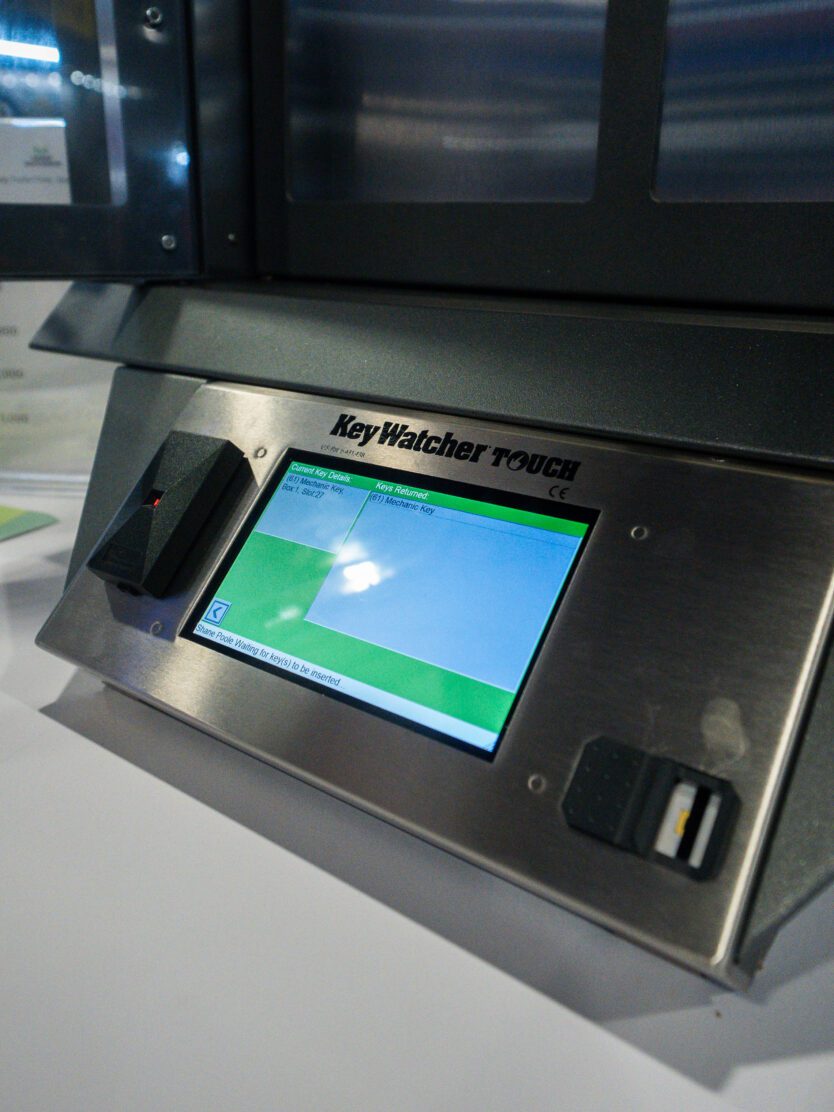
Controlling physical keys is one of the most important parts of facility security, yet many organizations still rely on outdated sign-out sheets and manual tracking. Electronic key control offers a smarter, automated way to store, distribute, and monitor keys across any facility. By replacing guesswork with real-time visibility, organizations strengthen security, reduce operational risks, and eliminate the inefficiencies that come with traditional key management. Understanding how electronic key control works can help you evaluate the benefits and determine whether this system is right for your organization.
1. Secure Storage Through an Automated Cabinet
Electronic key control begins with a secure cabinet designed to store keys individually. Each key is attached to an RFID-enabled SmartKey device, which allows the system to identify exactly which key is being removed or returned. These cabinets are built from tamper-resistant materials and lock automatically, preventing unauthorized access. Only verified users can open the system, ensuring that sensitive keys never sit in unsecured drawers or pegboards. This structured storage is the foundation of controlled and accountable key access.
2. Authentication Ensures Only Authorized Users Access Keys
Before a key is released, the user must authenticate through the system. Authentication options typically include PIN codes, proximity cards, biometric scans, or a combination of these methods. This prevents unauthorized individuals from accessing keys, even if they know where they’re stored. The system administrator determines who is allowed to access which keys and at what times. By controlling access at the user level, facilities maintain tighter oversight and reduce the risk of internal breaches.
3. Real-Time Tracking Captures Every Key Movement
When a user removes or returns a key, the system automatically records the event. Each transaction is logged with details such as the user’s identity, timestamp, and key identification. This creates complete transparency around key usage and closes the gaps that exist in manual tracking. If a key is overdue or not returned properly, administrators can view its status instantly. Real-time oversight ensures accountability and allows facilities to respond quickly to potential security concerns.
4. Automated Alerts Improve Response Time
A major advantage of electronic key control is the ability to send automatic alerts for specific events. Administrators may receive notifications when keys are overdue, accessed outside of approved hours, or removed by unauthorized users. These alerts can be sent via email or text message to ensure that facility managers are aware of potential issues immediately. Instead of waiting for audits or reports, decision-makers get updates in real time, allowing them to act before small issues become major problems.
5. Audit Reporting Strengthens Compliance
Electronic key control systems simplify compliance with regulatory and internal security requirements. Because every key movement is recorded automatically, administrators can generate detailed audit reports with just a few clicks. These reports show exactly who accessed which areas, when they did so, and how long they remained in possession of the keys. This level of documentation is essential for regulated industries such as healthcare, corrections, government, and education. Having a reliable audit trail also helps facilities maintain certifications and pass security inspections with ease.
6. Integration Enhances Existing Security Systems
Modern electronic key control solutions can integrate with access control platforms, HR systems, and broader security infrastructure. For example, if an employee badge is deactivated, the key control system can automatically remove that user’s key permissions. Some systems also prevent users from leaving the building with certain keys, tying into egress controls to ensure critical items are returned before exit. This level of integration helps unify security protocols and strengthens the overall protection of the facility.
7. Scalable Design Grows with Your Facility
Electronic key control is built to accommodate expansion. Organizations can start with a single cabinet and expand by adding more modules, lockers, or locations as their needs grow. This modular design ensures the system remains cost-effective while providing flexibility over time. Whether an organization manages one building or multiple sites, the system can scale to maintain consistent key management across all areas.
8. Long-Term Operational Benefits
Electronic key control offers long-term value by reducing costs and improving efficiency. Organizations save money by eliminating lost keys, reducing rekeying expenses, and decreasing time spent searching for misplaced items. The system also streamlines workflows by enabling fast, automated key retrieval without the need for manual oversight. Over time, the accuracy, reliability, and automation of electronic key control contribute to a safer and more organized facility environment.
Conclusion
Electronic key control transforms how organizations manage physical access. By securing keys in a controlled cabinet, verifying user identity, tracking every transaction, and offering real-time alerts, these systems eliminate the weaknesses of manual key management. Facilities gain stronger security, better accountability, and greater confidence in knowing exactly where every key is at any moment. For organizations seeking a modern, scalable, and reliable solution – electronic key control delivers a clear path to improved safety and operational efficiency.
Contact Genesis Resource today!