

Lost keys can shut down operations for hours. Master keys disappearing creates security nightmares. Manual key tracking leaves compliance gaps that auditors love to find. These scenarios play out every day in businesses across industries, costing time, money, and peace of mind.
A key management system solves these problems by bringing order to what’s often one of the most chaotic aspects of facility security. This comprehensive guide explores how electronic key management systems work, their benefits, and what to consider when selecting the right solution for your organization.
What is a Key Management System?
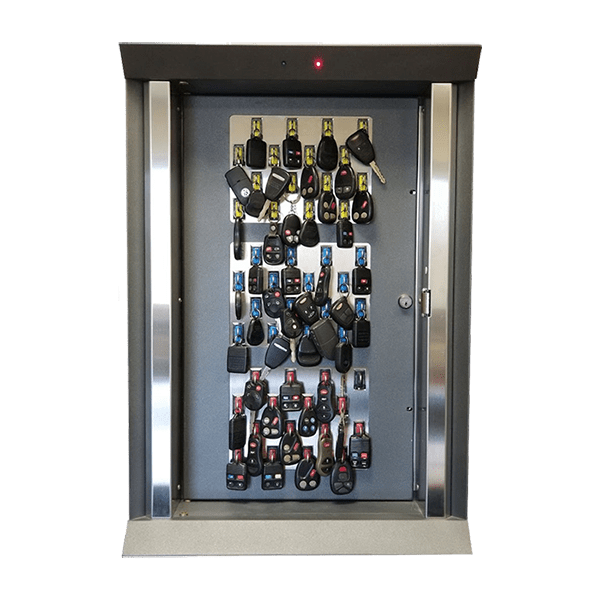
A key management system is an electronic security solution that automates the storage, tracking, and distribution of physical keys. At its core, the system consists of a tamper-proof steel cabinet that secures keys inside individual slots or compartments.
Users gain access through multiple authentication methods—PIN codes, proximity cards, or fingerprint scanners. When someone checks out or returns a key, the system records every detail: who accessed which key, when the transaction occurred, and how long the key remained out of the system.
This real-time transaction recording creates an unbreakable audit trail. Gone are the days of wondering who has the master key or whether someone returned a critical access key. The system knows exactly where every key is at all times.
Modern key management systems operate as true client-server enterprise solutions. Database changes sync across all connected cabinets in real-time, ensuring consistent information across multiple locations. Whether you have one cabinet or dozens spread across different sites, the system maintains centralized control and visibility.
Benefits of Implementing a Key Management System
Immediate Accountability and Airtight Compliance
Manual key logs create compliance headaches. Handwritten entries get lost, signatures become illegible, and gaps in documentation raise red flags during audits. Electronic key management systems eliminate these issues entirely.
Every transaction generates a timestamped, tamper-proof record. Auditors can access detailed reports showing exactly who accessed which keys and when. This level of documentation satisfies even the strictest regulatory requirements in industries like healthcare, finance, and government contracting.
Elimination of Lost Key Scenarios
Lost keys create cascading problems. Security gets compromised, locks need changing, and operations grind to a halt while new keys get cut. The financial impact adds up quickly—locksmith fees, replacement costs, and productivity losses.
Key management systems make lost keys nearly impossible. The system won’t allow users to leave without returning their keys first. Automated alerts notify managers when keys remain checked out beyond authorized timeframes. Visual and audible prompts guide users through the return process.
Adaptability to Fit Specific Workflows
Every organization has unique key management needs. Some require simple check-out/check-in processes. Others need complex approval workflows or integration with existing security systems.
Modern key management systems offer extensive customization options. Administrators can set user permissions, define access schedules, and create custom approval processes. Integration capabilities allow the system to work with existing access control platforms, HR databases, and facility management software.
Effortless Integration with Existing Security Systems
Security systems work best when they communicate with each other. Key management systems integrate seamlessly with existing infrastructure through APIs and standard protocols.
Access control systems can automatically update when someone checks out a key to a secured area. Video surveillance systems can trigger recordings when specific keys get accessed. Badge systems can authenticate users without requiring separate PIN codes or cards.
Key Features and Functionality
Tamper-Proof Steel Cabinets and Authorized User Access
Security starts with the physical cabinet. Key management systems use heavy-gauge steel construction designed to resist forced entry attempts. Tamper sensors detect any unauthorized access attempts and trigger immediate alerts.
Multiple authentication methods provide flexibility while maintaining security. PIN codes offer simplicity for basic installations. Proximity cards integrate with existing badge systems. Fingerprint scanners provide the highest level of security by eliminating the possibility of shared credentials.
User management features allow administrators to control access down to individual keys. Temporary access grants contractors or visitors limited key access for specific timeframes. Emergency override capabilities ensure authorized personnel can access keys during critical situations.
Real-Time Logging of Key Hand-Offs
Traditional key management relies on manual logs that capture limited information. Electronic systems record comprehensive transaction data automatically.
Each transaction includes the user ID, key identifier, timestamp, and transaction type (check-out or return). Additional data points might include the purpose of access, expected return time, and approval codes for restricted keys.
This information feeds into centralized databases accessible from any connected device. Managers can review current key status, generate compliance reports, and identify usage patterns that might indicate security concerns.
Instant Visibility into Key Status and Automated Alerts
Real-time dashboards provide complete visibility into key inventory and usage. Color-coded displays show which keys are available, checked out, or overdue. Search functions help locate specific keys quickly across large inventories.
Automated alert systems keep managers informed without requiring constant monitoring. Alerts can trigger for overdue keys, repeated access attempts, emergency situations, or maintenance requirements. Notifications arrive via email, text message, or integration with existing communication platforms.
Customizable thresholds allow organizations to fine-tune alert sensitivity. High-security keys might trigger immediate alerts when overdue, while general-use keys might allow longer grace periods.
Scalability Without Disrupting Current Setups
Growing organizations need systems that expand with their needs. Key management systems offer modular scalability that doesn’t require replacing existing infrastructure.
Additional cabinets integrate seamlessly with existing installations. New locations connect to the central management system through network connections. Cabinet configurations can be modified by adding or removing key slots as needs change.
Software updates deploy automatically across all connected cabinets, ensuring consistent functionality and security features. This centralized management approach reduces IT overhead while maintaining system reliability.
Use Cases and Applications Across Industries
Key management systems benefit organizations across numerous industries and use cases:
Healthcare Facilities manage keys to medication storage areas, medical equipment rooms, and patient care facilities. Compliance requirements demand detailed access logs and strict security protocols.
Educational Institutions control access to classrooms, laboratories, administrative offices, and maintenance areas. Systems help manage faculty access while maintaining security during non-school hours.
Manufacturing Plants secure access to production areas, equipment rooms, and hazardous material storage. Integration with safety protocols ensures only qualified personnel access dangerous areas.
Government and Military Facilities require the highest levels of security and documentation. Key management systems provide the audit trails and access controls needed for classified areas.
Hospitality Industry manages master keys, maintenance access, and administrative areas. Systems help prevent unauthorized access while maintaining operational efficiency.
Data Centers control access to server rooms and network infrastructure. Detailed logging helps maintain security compliance and operational continuity.
Correctional Facilities manage keys to cells, common areas, and security zones. Systems provide the detailed tracking required for safety and security protocols.
Property Management Companies handle keys for multiple properties, tenant spaces, and common areas. Centralized management simplifies operations across diverse locations.
Selecting the Right Key Management System
Factors to Consider: Cabinet Size, Key-Slot Layout, and Modular Add-Ons
Choosing the right key management system requires careful analysis of current and future needs. Cabinet size determines how many keys the system can accommodate initially. Consider growth projections to avoid outgrowing the system quickly.
Key-slot layout affects usability and efficiency. Some keys require larger slots due to bulky fobs or multiple keys on rings. Adjustable slot configurations provide flexibility for mixed key types.
Modular add-ons extend system capabilities without requiring complete replacements. Locker modules handle larger items like radios, tablets, or small equipment. Additional authentication devices provide enhanced security options.
Network connectivity options determine how the system integrates with existing infrastructure. Ethernet connections provide reliable, high-speed communication. Wi-Fi options offer flexibility for locations where wired connections aren’t practical.
Click HERE to configure your KeyWatcher system.
Importance of Warranties and Technical Support
Key management systems represent significant investments that need long-term reliability. Warranties protect against hardware failures and manufacturing defects. Look for comprehensive coverage that includes both parts and labor.
Technical support quality often determines system success. U.S.-based support teams provide better response times and communication than overseas alternatives. 24/7 availability ensures help is available during critical situations.
Training and implementation support help maximize system benefits. Proper training reduces user errors and improves adoption rates. Implementation support ensures systems integrate properly with existing workflows and security protocols.
Regular maintenance and software updates keep systems running smoothly. Automatic update capabilities reduce IT overhead while ensuring security patches and feature improvements deploy consistently.
Making Security Simple, Scalable, and Smart
Key management systems transform one of the most basic security challenges into a competitive advantage. Organizations that implement these systems experience immediate improvements in accountability, compliance, and operational efficiency.
The technology has matured to the point where implementation barriers have largely disappeared. Modern systems integrate easily with existing infrastructure, scale affordably as organizations grow, and provide the detailed reporting that regulatory compliance demands.
Success with key management systems comes down to choosing the right partner. Look for providers with proven track records, comprehensive support capabilities, and systems designed for long-term reliability. The investment in proper key management pays dividends through reduced security risks, improved operational efficiency, and simplified compliance management.
Your keys control access to your most valuable assets. Make sure your key management system provides the security, accountability, and peace of mind your organization deserves.