

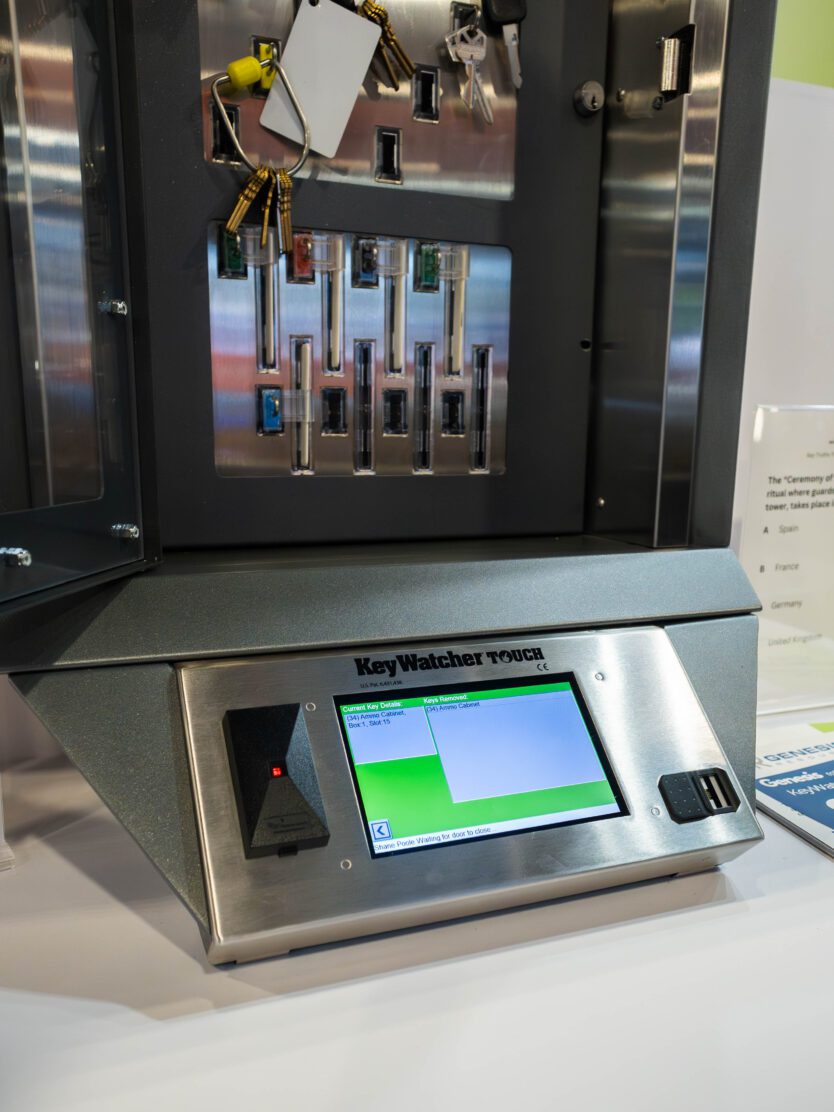
Every organization deals with keys—whether they unlock offices, equipment, vehicles, or restricted areas. But relying on manual logs, sign-out sheets, or shared key rings leaves security gaps and wastes valuable time. That’s where automated key management comes in. This technology provides a smarter, more secure way to control, track, and monitor keys, ensuring accountability and efficiency in any environment.
What Is Automated Key Management?
Automated key management is a modern system that replaces manual methods of storing and tracking keys with advanced, electronic solutions. Keys are stored in secure cabinets or lockers that use authentication methods such as PIN codes, swipe cards, or biometrics to release keys only to authorized users.
Every transaction—who took the key, when it was checked out, and when it was returned—is automatically recorded. Administrators can view reports in real time, receive alerts about overdue keys, and customize user permissions to match organizational policies. This eliminates the human error and loopholes often found in traditional methods.
Why Manual Key Management Fails
Traditional key management relies heavily on trust and outdated tools. Common issues include:
- Untracked usage: Handwritten logs are often inaccurate or skipped entirely.
- Lost keys: Misplaced keys can lead to costly rekeying or security breaches.
- Unauthorized access: Without controlled access, employees may use keys they shouldn’t have.
- Inefficient operations: Staff waste time searching for keys or resolving conflicts over missing ones.
In industries where security is non-negotiable, these problems create unacceptable risks. Automated systems eliminate these gaps by enforcing accountability and reducing administrative burdens.
Key Features of Automated Key Management
An effective automated key management solution comes with a wide range of features designed to keep organizations secure and efficient. Some of the most impactful include:
- Electronic authentication: Users must verify their identity before accessing any key.
- Customizable permissions: Administrators can decide who can access which keys and when.
- Real-time tracking: Every checkout and return is logged, creating a complete audit trail.
- Tamper-proof design: Keys are locked in steel compartments or electronic lockers that resist unauthorized access.
- Overdue alerts: Notifications are sent if keys aren’t returned on time.
- Integration with other systems: Many solutions can connect to HR, security, or building management systems for added efficiency.
These features bring control, visibility, and reliability to an area of security that’s often overlooked.
Industries That Benefit From Automated Key Management
Education
Schools and universities manage hundreds of keys for classrooms, labs, vehicles, and administrative offices. Automated systems help ensure that staff, contractors, and custodians have access only as permitted, while reducing the risk of misplaced keys.
Healthcare
Hospitals and clinics must control access to sensitive areas like pharmacies, labs, and record rooms. Automated key management ensures compliance with strict regulations and provides peace of mind for administrators.
Corrections
Correctional facilities rely heavily on secure key control. Automated systems maintain accountability across shifts, track access to cell blocks or medical areas, and reduce the risk of unauthorized use.
Corporate and Commercial
Businesses protect server rooms, offices, and equipment by limiting access to approved employees. Automated key management reduces liability and strengthens internal security protocols.
Hospitality
Hotels and resorts use automated solutions to secure back-of-house areas, maintenance keys, and restricted spaces, all while keeping operations smooth and efficient.
No matter the industry, the benefits are the same: stronger security, better compliance, and more efficient workflows.
Long-Term Benefits of Automated Key Management
Investing in an automated key management system provides long-lasting returns. Organizations save money by avoiding rekeying costs and minimizing downtime caused by lost or stolen keys. The built-in accountability discourages misuse and helps enforce organizational policies.
Over time, the system becomes more than just a security tool—it becomes part of the organizational culture. Employees know that key access is monitored and secured, which naturally encourages compliance. Managers gain greater visibility into daily operations, while IT and security teams benefit from advanced reporting and integration with broader security systems.
Additionally, automated solutions scale easily. As organizations grow, the system can expand to handle hundreds—or even thousands—of keys, making it a future-proof investment.
Why It’s Time to Upgrade
If your organization is still relying on manual key control, you’re leaving yourself vulnerable to both financial loss and reputational damage. Security expectations are evolving, and stakeholders expect organizations to prioritize accountability. Automated systems are no longer optional—they’re a necessity for any facility that takes security seriously.
The cost of implementing automated key management is far less than the consequences of a major security breach. Acting now allows organizations to stay ahead of potential risks and build a stronger foundation for the future.
Conclusion
Keys may seem simple, but they hold the power to secure—or compromise—your entire organization. By adopting automated key management, you ensure every key is tracked, every user is accountable, and every asset is protected. From education and healthcare to corrections and corporate facilities, automated solutions bring unmatched security and efficiency.
Don’t wait until a preventable incident forces your hand. Take control now. Contact us today to learn how automated key management can transform your security strategy and give you peace of mind for years to come.