

Introduction
Security risks don’t always come from external threats—many start within the facility itself. Missing keys, lost equipment, or unauthorized access can cost organizations thousands in rekeying, downtime, and liability. A smart key control system offers the solution, combining secure storage, user authentication, and real-time tracking to keep every key and asset accounted for.
Whether you manage a school district, correctional facility, healthcare campus, or corporate building, implementing smart key control improves safety, accountability, and operational efficiency.
What Is Smart Key Control?
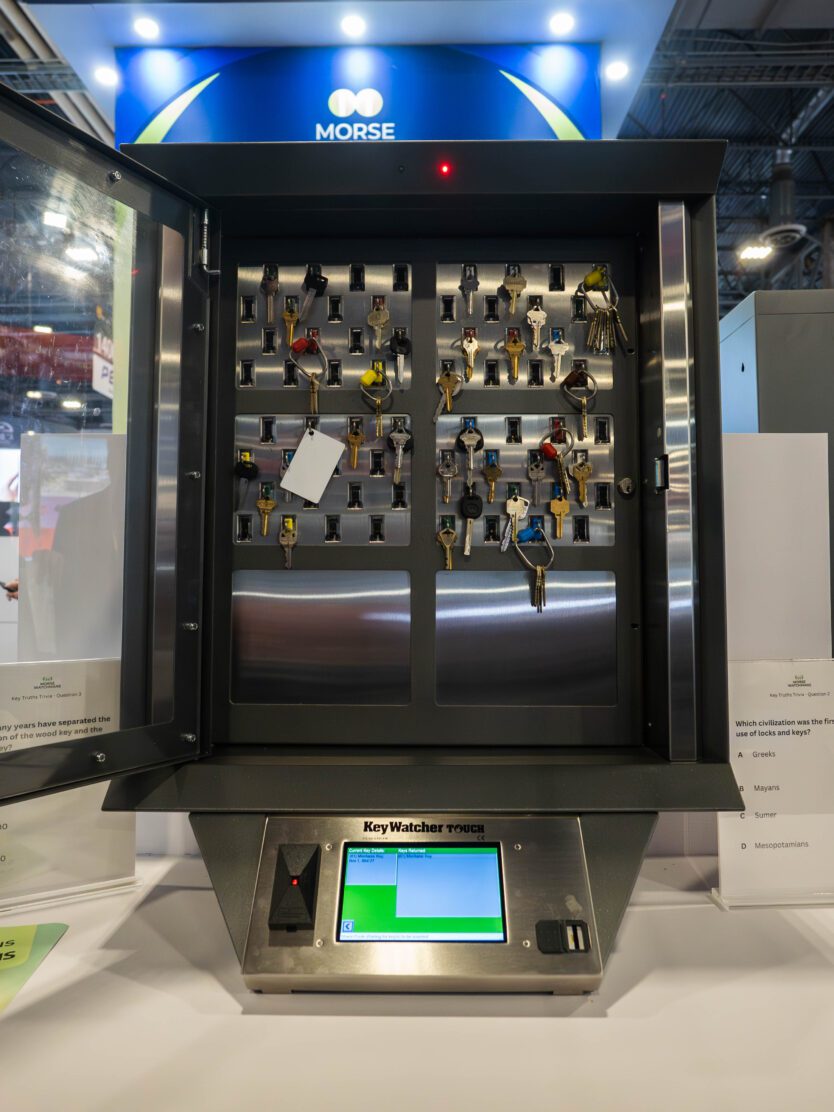
A smart key control system is a centralized, electronic solution for managing physical keys and critical assets. Unlike manual sign-out logs or open key cabinets, these systems use PINs, proximity cards, or biometrics to ensure only authorized users can access specific keys.
Each transaction—who took a key, when it was checked out, and when it was returned—is automatically recorded. Administrators can view this data in real time, generate reports, and receive alerts for overdue or unauthorized access attempts.
This combination of security hardware and management software ensures complete visibility and control over every key movement.
Why Manual Key Tracking Isn’t Enough
Traditional key management relies on trust, paper logs, and memory. While these methods may work in smaller facilities, they quickly become unmanageable as staff numbers, shifts, and security needs grow.
Without automation, facilities risk:
- Lost keys leading to rekeying and lock replacements.
- Unauthorized access to restricted or high-value areas.
- Incomplete audit trails during compliance checks.
- Operational delays caused by misplaced keys or unclear accountability.
Smart key control eliminates these vulnerabilities with technology-driven oversight.
Core Features That Make Smart Key Control Essential
1. Secure Storage
Keys are stored in tamper-proof steel cabinets and individually locked compartments. This ensures critical keys—whether for offices, armories, or vehicles—can only be accessed by verified personnel.
2. Real-Time Tracking
Every key movement is logged automatically, giving administrators instant access to key status. This transparency helps identify bottlenecks, prevent misuse, and confirm key returns at the end of each shift.
3. Role-Based Access
Not every employee needs access to every key. With role-based permissions, managers can assign access only to the keys necessary for each individual’s duties.
4. Alerts & Notifications
If a key isn’t returned on time or is accessed outside of approved hours, supervisors receive automatic alerts—preventing small issues from becoming major incidents.
5. Integration & Scalability
Smart key control systems can integrate with access control platforms, personnel databases, and surveillance systems for unified facility management. They also scale easily as your facility grows.
How Smart Key Control Enhances Security
Improved Accountability
Every key checkout and return is tracked, removing ambiguity and eliminating the phrase, “I don’t know who has it.” This digital audit trail makes employees more responsible and creates a culture of accountability.
Faster Emergency Response
In emergencies, time is everything. Authorized personnel can access critical keys instantly while maintaining a full record of activity.
Reduced Internal Theft
Restricting access to specific keys and tracking their use discourages unauthorized activity and helps identify suspicious patterns before they escalate.
Stronger Compliance
From correctional facilities to healthcare and education, many industries require detailed access logs. Smart key control systems make reporting effortless, providing compliance data at the click of a button.
Real-World Impact: From Reactive to Proactive Security
Before adopting a smart key control system, many organizations operate reactively—responding to problems only after they happen. With automated tracking and proactive alerts, facilities move to a preventive security model.
For example:
- A maintenance supervisor receives a notification when a key hasn’t been returned after a shift.
- A correctional facility locks out key access when an officer’s shift ends.
- A hospital’s pharmacy manager can instantly audit which staff accessed medication storage.
These real-time insights make facility management safer and more efficient.
The Long-Term Value of Smart Key Control
Beyond improving daily operations, smart key control delivers measurable long-term benefits:
- Lower operational costs through reduced key loss and rekeying.
- Stronger insurance compliance and risk mitigation.
- Fewer disruptions caused by misplaced or stolen keys.
- Increased staff efficiency through automation and accountability.
Investing in a smart key control system isn’t just about preventing security issues—it’s about building a sustainable foundation for growth and safety.
Conclusion
In today’s security landscape, manual key tracking simply isn’t enough. A smart key control system provides automated tracking, tamper-proof storage, and verified access to keep your facility safe, compliant, and efficient.
Whether managing a correctional institution, hospital, or corporate campus, Genesis Resource offers tailored key control solutions to meet your unique challenges. Contact us today to learn how smart key control can protect your people, property, and peace of mind.